Egypt
- Usha Shah
- May 9
- 22 min read

Updated: May 19

I am writing about my trip to Egypt. We were a group of seven people, two couples , and 3 ladies. Our flight To Egypt we reached there around mid night and went straight to our hotel in early morning.
Our Hotel was right in Front of the Pyramids.




Our journey in Egypt opened in the shadow of the ancient world, as we spent our first two days near the great Pyramids of Giza. From our hotel, they were not just monuments to visit, but a constant presence—silent, unmoving, watching across the desert as they have for thousands of years. There is something deeply humbling about seeing them not as pictures in books, but as part of your everyday view, changing colour with the sun, yet never changing in spirit.

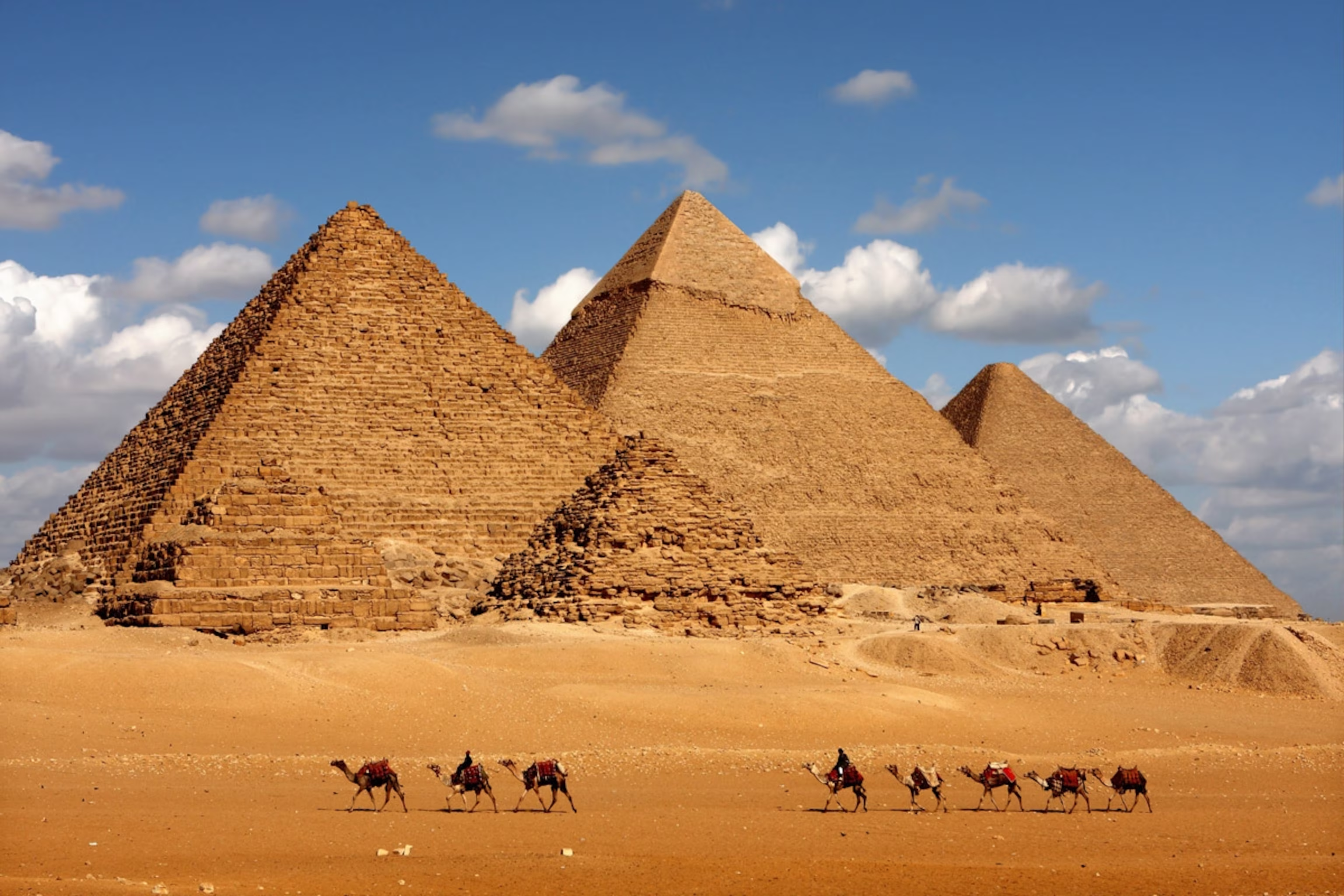
We were fortunate to stay right across from the timeless Pyramids of Giza, where they became part of our everyday view rather than a distant destination. From the hotel, we could see both the great pyramids and the Great Sphinx of Giza, standing quietly in the desert, as if guarding stories too old for words. In the morning light, they appeared soft and almost golden; by evening, they turned deeper, more mysterious, as the desert slowly surrendered to night.

One evening, we attended the sound and light show. Sitting under the open sky, watching these ancient forms illuminated against the darkness, was an unusual experience. The play of light tried to give voice to history—stories of kings, of time, of human ambition—while the pyramids themselves remained unchanged, almost indifferent to the narration. It felt less like watching a show and more like being in the presence of something that has outlived every story told about it. Those two days passed quietly, in the company of stone and silence—before we moved on to a different rhythm of Egypt.

From here we flew south, moving from a landscape of stone and time into one shaped by water and life. This transition marks the beginning of a different Egypt—not the Egypt of vast, immovable history, but one that flows. From there, we flew to your boat journey begins, most likely along the timeless Nile River, where civilization itself once took root and continued to breathe through daily life.
Aswan
After that we flew to Aswan. We had chosen our travel on a particular date very carefully, hoping to witness one of Egypt’s most extraordinary spectacles at Abu Simbel Temples.

We had heard that on that day Sun's light falls straight in the eyes of statue in the middle of the cave. It was a big day of celebration that thousands of people arrive. Local people were dancing in a big group making it very festive. Very carefully, hoping to witness one of Egypt’s most extraordinary spectacles at Abu Simbel Temples.
Twice each year, on special mornings, the rising sun enters the temple and travels deep into the inner sanctuary, where its rays fall directly upon the statues carved within the rock. This remarkable alignment, created more than three thousand years ago, still occurs with astonishing precision and is widely believed to mark significant moments in the life of Ramesses II. Watching it was not merely sightseeing; it felt like witnessing a conversation between architecture, astronomy, and time itself.
The occasion drew thousands of people. Long before sunrise, there was already an atmosphere of excitement and anticipation. Yet what remains most vivid in my memory is not only the moment of the sunlight entering the temple, but the celebration surrounding it.

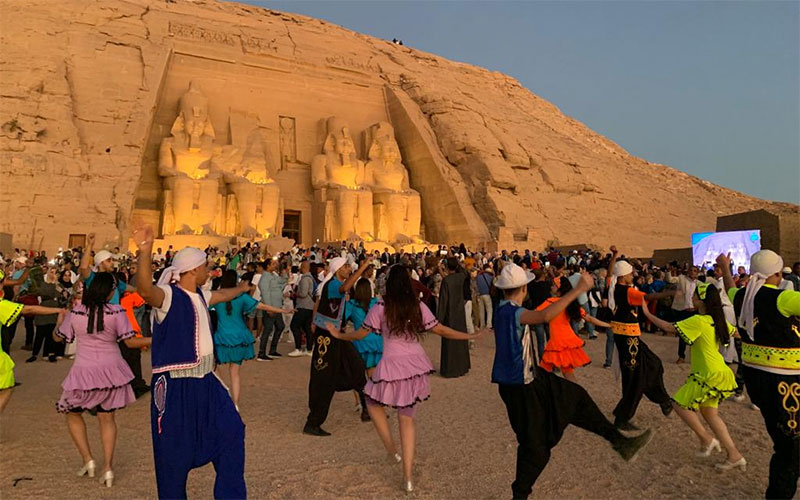


Local people had gathered in large groups, dancing with infectious energy, filling the desert air with rhythm and joy. What could have been simply an ancient historical event became something alive and deeply human—a festival where past and present seemed to meet.
There was something profoundly moving about standing there among so many people, waiting for the first ray of sunlight to touch stone that had been waiting for it for millennia.
On our way from the airport to the hotel in Aswan, I had a small wish. In a book I had read, something unusual—an ancient structure lying flat, spread across many stones, unlike the grand upright temples one usually associates with Egypt. Curious to see it, we requested our guide to take us there. He tried his best, asking around and searching, but somehow we could not locate it. After some time, we let go of the effort and continued toward our hotel.

By evening, however, something entirely unexpected awaited us. From the windows of the dining hall, the sky opened into a spectacle I had never witnessed before in any of my travels. The entire horizon seemed to glow in deep shades of red, as if the desert itself had risen into the sky. The colours were not fleeting—they lingered, slowly shifting, filling the space with a quiet intensity that was almost unreal. It did not feel like a sunset one simply watches; it felt like being surrounded by it. I managed to capture a few photographs, but even now I feel I cannot fully hold what I saw in that moment. Some experiences remain larger than any image—something to be remembered rather than recorded.
We were told we should leave around 4 in the morning ,but it got pushed to much earlier time.
The journey to Abu Simbel Temples began at an hour that hardly felt like morning at all. We had initially been told to be ready by four, but as often happens with such arrangements, the timing was pushed even earlier. In the end, there was barely any time to sleep. It felt as though the night had simply been interrupted rather than completed.
When we finally set out, we realised we were not alone. The road was filled with an endless line of vehicles, all heading in the same direction, carrying people drawn by the same rare moment we were hoping to witness. The progress was slow, almost crawling at times, as if the entire desert was moving together in quiet determination. There was a strange atmosphere in that darkness—no chatter, no distraction—just a shared sense of purpose. Despite the fatigue, there was also a quiet excitement building within, knowing that this long, slow journey was leading toward something that had been waiting for thousands of years to unfold.
By the time we finally reached the Abu Simbel Temples, the darkness had only just begun to lift. Even at that early hour, the place was already filled with people. Thousands had gathered, all waiting quietly, facing the same direction, as if drawn by something far beyond ordinary curiosity.
There was a sense of stillness, but not silence. A low murmur moved through the crowd—anticipation, patience, and something almost reverent, though not in a ritualistic way. We found our place among them, aware that we were about to witness something that had been happening, unchanged, for thousands of years.
Slowly, almost imperceptibly, the first light of dawn began to appear. As the sun rose, its rays entered the temple, travelling inward with remarkable precision. The passage was narrow and dark, and yet the light moved forward steadily, as if it knew exactly where it was meant to go. And then, in that inner chamber, it happened—the sunlight reached the statues carved deep within, illuminating them one by one. In that moment, time seemed to dissolve.


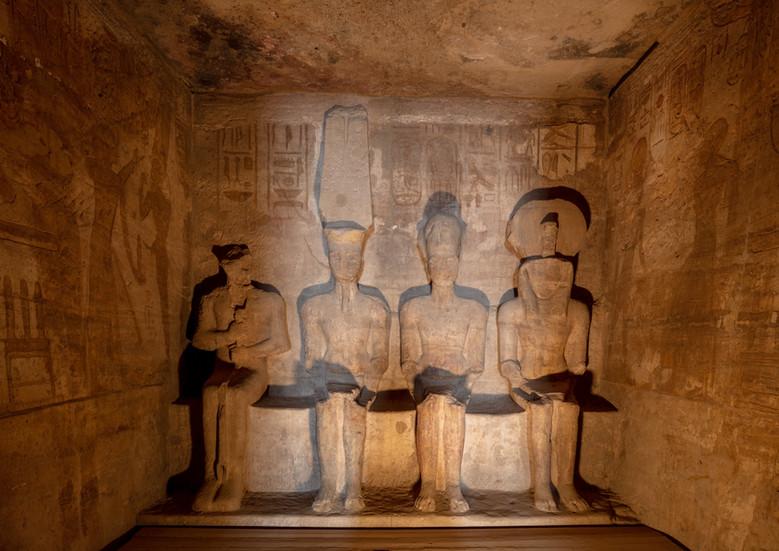
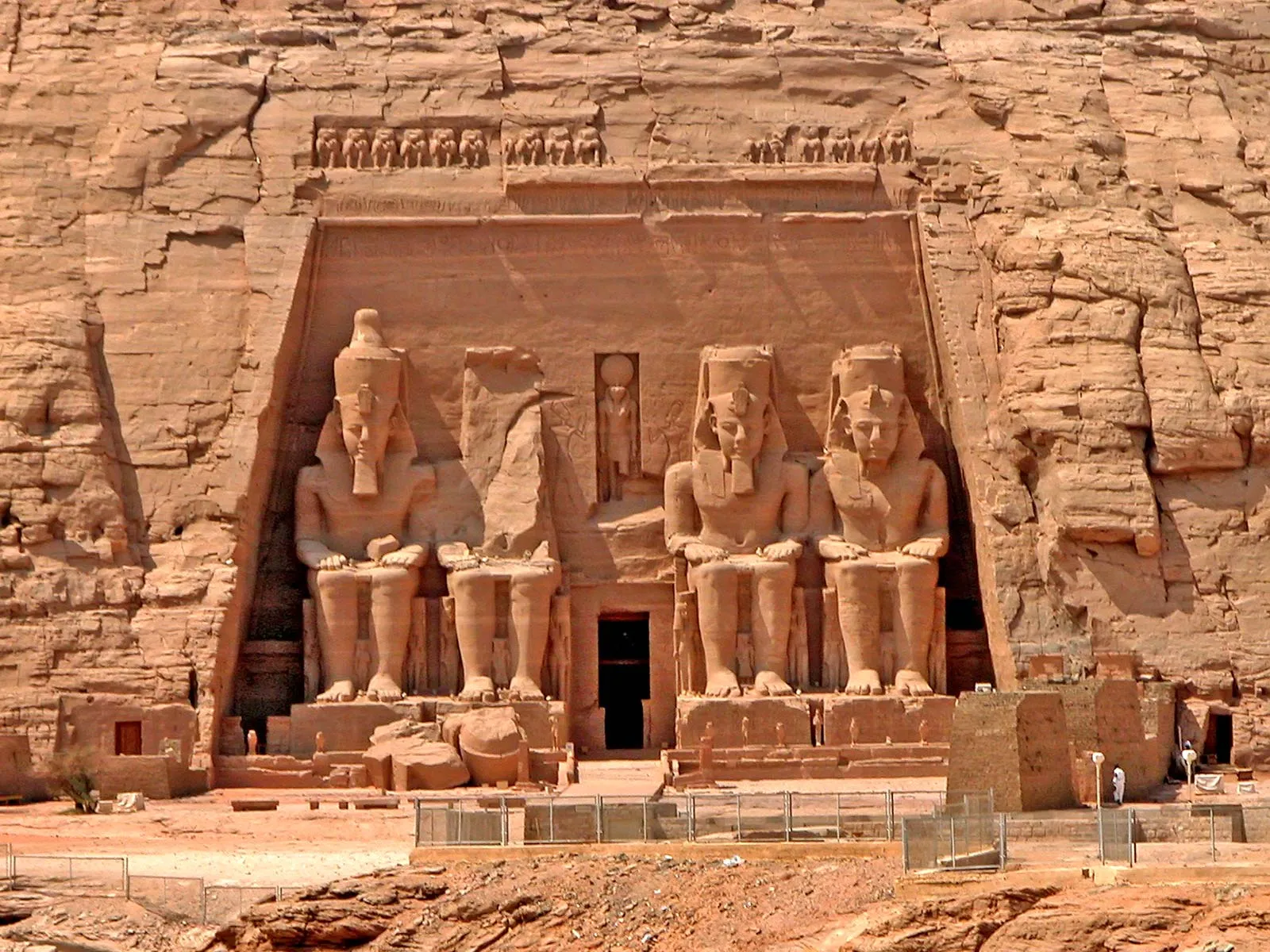

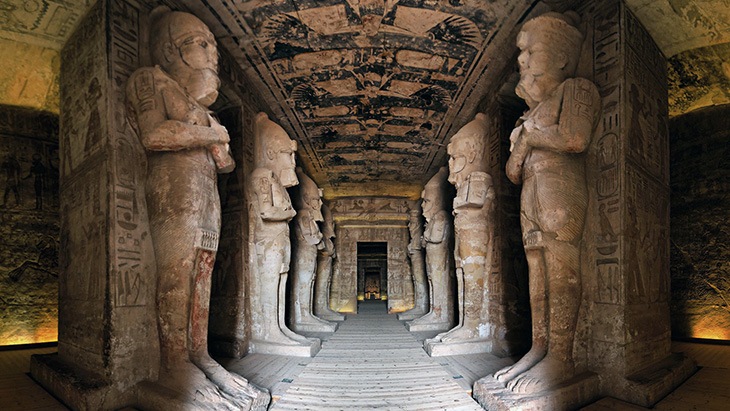
It was difficult to tell whether one was watching an ancient design come alive or simply standing inside a moment that had been repeated across centuries. The brilliance of it was not only in the alignment itself, but in the thought that created it—how deeply people once observed the world, how carefully they shaped stone to meet the movement of the sun. And yet, outside, life continued in its own vibrant way. After the moment passed, the atmosphere transformed. The quiet anticipation gave way to celebration. Local people gathered in large groups, dancing together with energy and joy. The desert, which had felt still and solemn before sunrise, now felt alive and festive. It was not just an event to be observed, but something shared—between past and present, between visitors and those for whom this was part of living tradition.
What remained with me was not only the precision of the sunlight, but this contrast—the stillness of stone and the liveliness of people, both existing together in the same space.
We captured something very rare today—not just an event, but the feeling of being there.
Little History
More than 5000 years ago the Egyptian established one of the oldest Civilisation in the World. Ancient Egypt was a leading trading nation that was highly influential during the peak. The Egyptians created beautiful works of Art that included paintings, sculpture, Temples and Pyramids.
The hot, dry climate of Egypt was ideally suited for the objects the objects they created. Most of the objects we now know from this civilisation we know were excavated from the Tombs of Kings, Queens and Nobility.
The interiors of the Tombs were richly decorated with murals depicting the lives of the deities and common people. These kings, Queens and the nobility were buried with their various
Belongings. Furniture, Chariots, jewellery, clothing and fragments of food have all been recovered from their buried sites.
Egypt was ruled by Kings who were called Pharaohs means great houses. Ancient Egyptians believed that god granted the position of Kings to them when the World was created.
The Egyptians thought that there kings were the descendants of the Sun God Re who they, thought was the first King of Egypt.
The king had absolute power, but also performed a number of duties. The king was responsible for governing with justice and for maintaining order, peace and balance in the World. The power to decide on domestic issues, to lead the Nation’s military, and to implement economic policies were but only a small part of powers bestowed upon the kings.
For Egyptians the temple were the residence in this world dedicated to male and female deities. The Egyptians believed that they could communicate with the souls of these deities. They were private sanctuaries. Except in special cases only designated priest Priestesses , Kings and Queen could enter them. There were many Deities in Egypt.
Most revered the god Amun had his own within each a main Temple was dedicated to him. In addition there were other subsidiary temples throughout the country.
Egyptians are one of the earliest people to have invented a writing system. The writing system is totally different from the one that is used to day. It is a system consisting of pictures and symbols, that we today call Hieroglyph today.
Hieroglyphs means “ sacred “ writing. Because the Egyptians believed that knowledge of writing was bestowed from Thoth, the god of knowledge.
The lost wax method that the Egyptians ‘ advanced for metal working techniques.
Luxor
Luxor is a historic city in Upper (southern) Egypt and the capital of Luxor Governorate. It stands on the east bank of the Nile River, about 650 km south of Cairo, and encompasses the site of ancient Thebes—once Egypt’s imperial capital. Today, Luxor is famed as “the world’s greatest open-air museum,” attracting millions of visitors to its temples and tombs that preserve the legacy of pharaonic civilization.
Along the way, boats often stop at famous temples such as:
Temple of Philae
Kom Ombo Temple
Temple of Edfu
Some longer cruises continue even farther north after Luxor, but the Aswan-to-Luxor stretch is the most famous and scenic traditional Nile cruise route.
Leaving Abu Simbel and travelling northward toward Luxor by boat is less like an ordinary journey and more like slowly drifting through the spine of ancient Egypt itself.
At first, the landscape around Abu Simbel feels remote and immense.The desert stretches endlessly on both sides, silent and sunlit, with almost no sign of towns or crowds. The waters of Lake Nasser are wide and calm, often reflecting the pale sky like polished metal. Early morning light there can feel almost unreal, soft gold on stone and water.
As the journey continues northward, the feeling gradually changes.The emptiness of the deep south slowly gives way to life gathering along the banks of the Nile. You begin to see small villages of mud-coloured houses, date palms leaning over the river, children waving from the shore, farmers working narrow green strips beside the water, feluccas and fishing boats moving quietly across the current and donkeys, buffaloes, and birds appearing near the riverbanks.
The contrast becomes striking: beyond the fertile green ribbon of the Nile lies the harsh desert, stretching outward almost immediately. It reminds you constantly that this river made civilization possible here. The boat itself creates a special rhythm.There is nowhere to rush. Hours pass watching changing light on the water, listening to the engine hum softly, seeing temple ruins or small minarets appear unexpectedly in the distance.
As you move farther north toward Luxor, history begins to feel denser. This was once the heartland of ancient Thebes. The riverbanks seem to carry layers of memory — pharaohs, traders, pilgrims, ordinary farmers, all depending on the same river thousands of years apart.
Approaching Luxor is different from arriving at Abu Simbel.Abu Simbel feels isolated and monumental, almost like a vision in the desert.Luxor feels alive with accumulated history — busy river traffic, temples rising near the town, the sense that antiquity and present life still exist side by side.


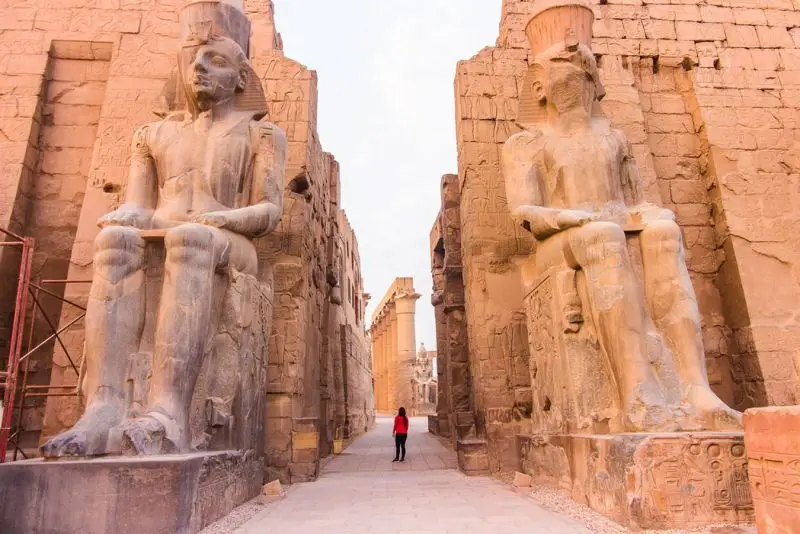



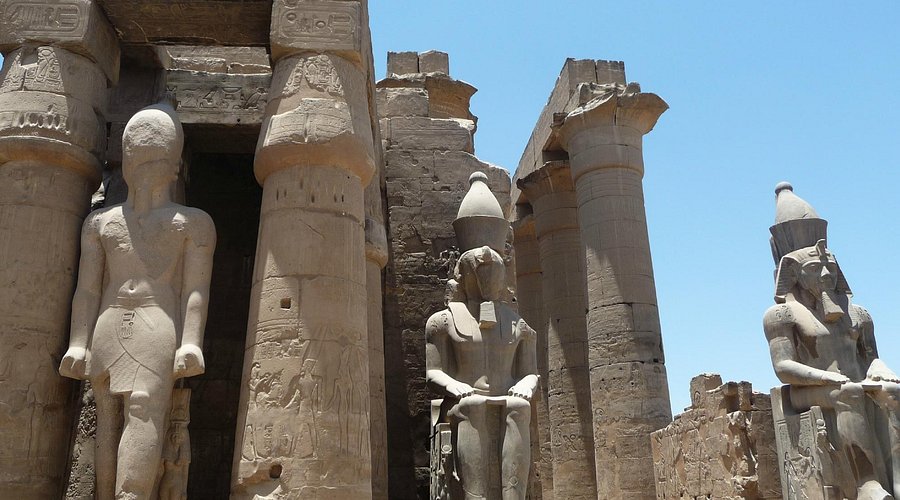
And then, suddenly, the great monuments begin to appear:the outlines of temples, columns, and the riverfront of Luxor itself — one of the world’s greatest ancient cities waiting beside the Nile.
The monuments along the Nile did not appear like ordinary buildings.They rose slowly from the landscape, enormous and silent, as though the desert itself had taken the shape of temples.Columns stood like forests of stone, walls carried endless carvings, and statues seemed to watch the river with timeless calm. Even in ruin, they possessed a scale and dignity difficult to describe. As our boat moved northward toward Luxor, history no longer felt distant — it seemed to exist beside the water itself.
As our boat moved northward, the temples did not suddenly appear all at once.
The temples near the Nile were not delicate structures.They were created to overpower the senses — to make human beings feel small before gods, kings, and eternity itself. The columns are perhaps the hardest thing to forget. As I said not merely pillars, but forests of stone. Some are thick like ancient tree trunks. Others open at the top like lotus flowers or papyrus plants carved into rock. When sunlight falls between them, shadows move slowly across carvings that have survived for thousands of years.
And the carvings themselves never seem to end:
Kings standing taller than ordinary men
Processions of priests
Boats carrying sacred statues
Rows of hieroglyphs covering entire walls
Falcons, cobras, sun disks, and gods with animal faces
Scenes of war beside scenes of offerings and prayer
Even damaged monuments carry enormous power. A broken statue lying on the ground may still have fingers larger than a human arm. A fallen head may still look calm and eternal despite centuries of ruin. Near Luxor especially, the monuments begin to feel inseparable from the river itself.
A sound and light show in Luxor or near the temples along the Nile can feel very different from seeing the monuments in daylight.
During the day, the temples appear powerful through their size and detail. At night, they become mysterious. The darkness hides much of the surroundings, so your attention is drawn only to what the lights reveal:a row of columns, a giant statue, a carved face, a towering gateway suddenly glowing against the black sky. The silence of the night adds to the feeling. Voices echo differently among ancient stones. Even footsteps seem softer.
As the narration begins, the monuments almost seem to awaken. Lights move slowly across walls covered with hieroglyphs, and figures carved thousands of years ago emerge from darkness one after another. Sometimes only a single statue is illuminated, standing alone against the night. Sometimes an entire courtyard glows gold or deep amber for a few moments before fading again into shadow. The combination of darkness, history, and light created an atmosphere both beautiful and haunting, as though the past itself had briefly awakened before our eyes.
That is why, after visiting the great temples on the east side, many journeys continue across the Nile to the west bank, where some of Egypt’s most extraordinary monuments are located.
This crossing itself was memorable. The river feels calmer there, and as you move westward, the fertile green land slowly gives way toward dry cliffs and desert hills. Those barren hills became the resting place of kings and queens.
The “next destination” after Luxor for most travellers is usually the West Bank necropolis, especially:
Valley of the Kings
Temple of Hatshepsut
Colossi of Memnon
sometimes Valley of the Queens
The feeling there changes completely from the river temples.
The temples on the east bank feel grand, ceremonial, and alive with public life.The west bank feels quieter, more solemn, almost hidden within the desert landscape.

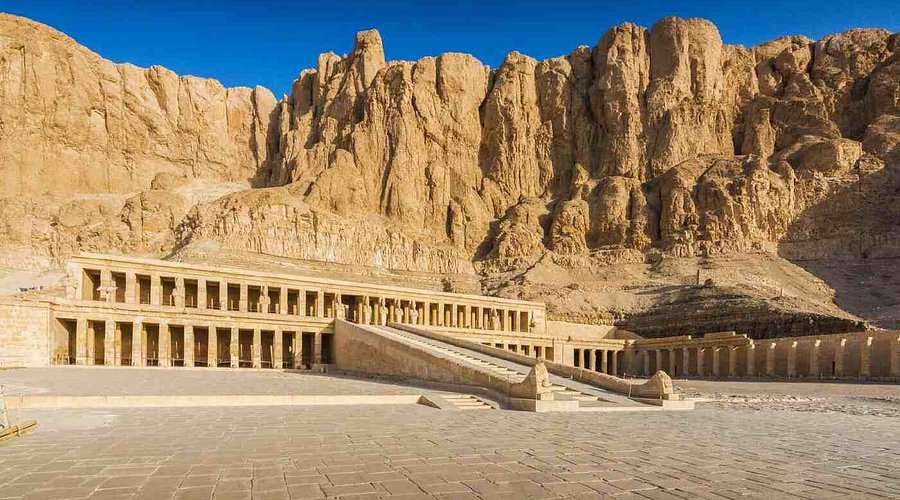
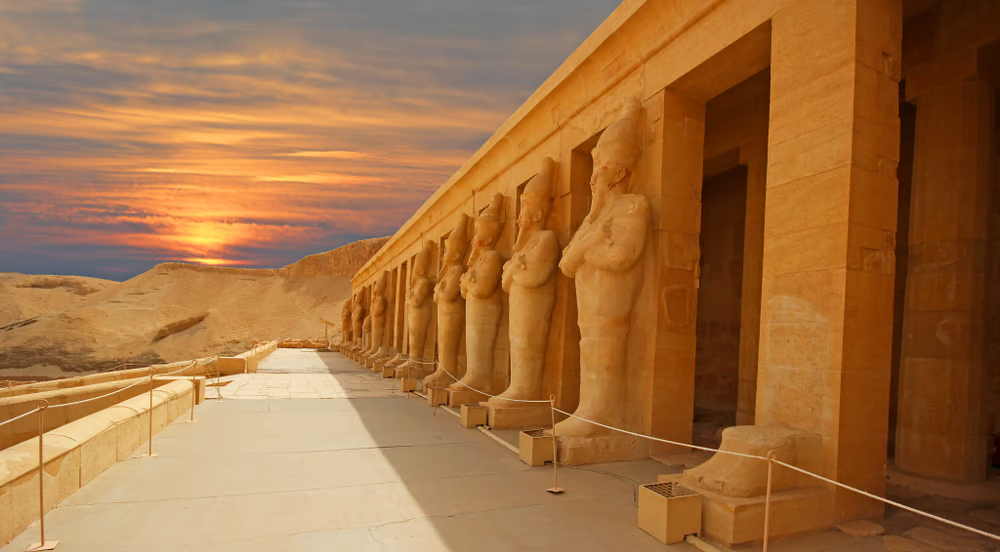


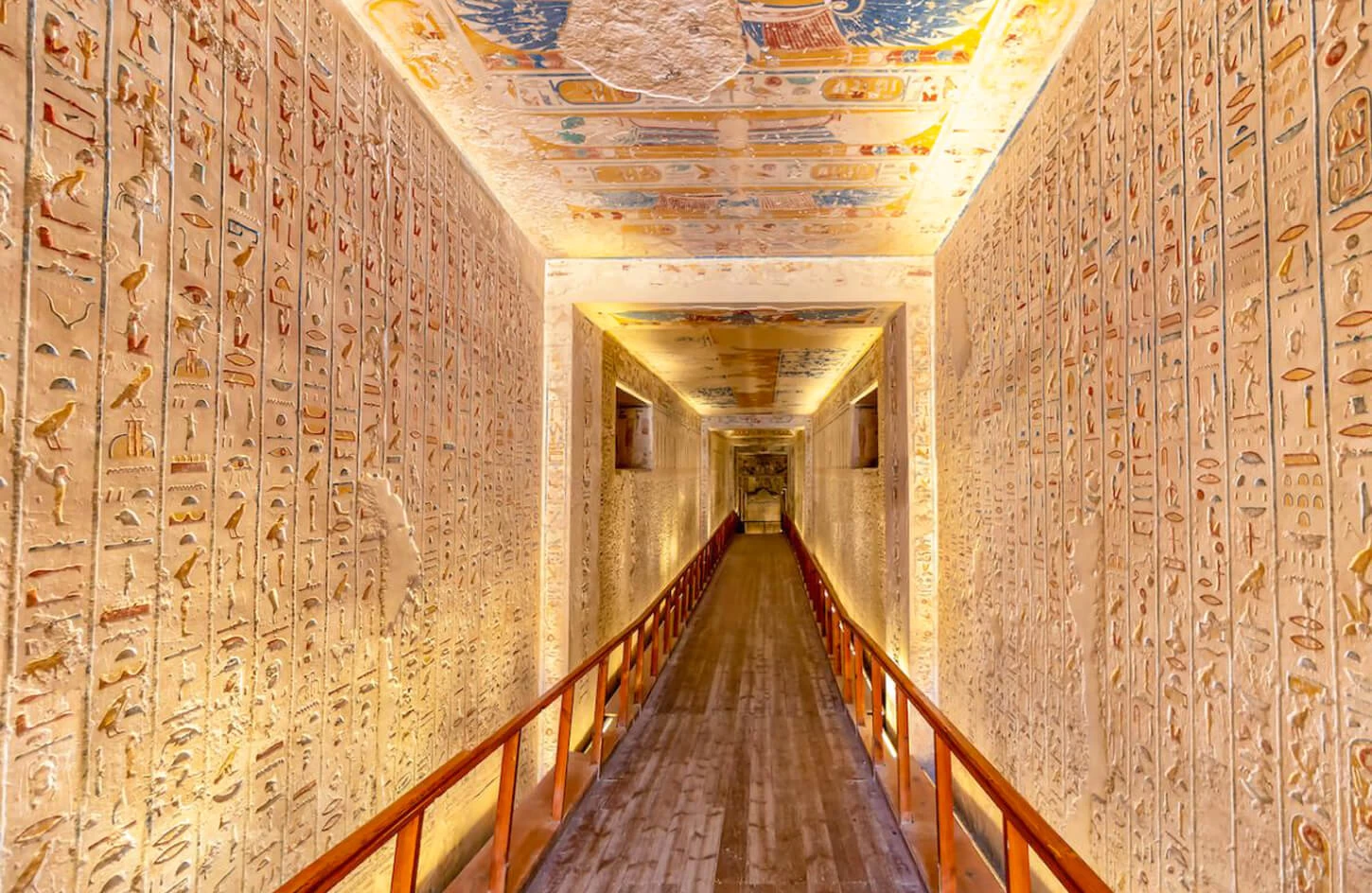


The Valley of the Kings especially surprises many people because the royal tombs are not giant pyramids. Entering the royal tomb felt unlike visiting any ordinary monument. From the harsh brightness of the desert outside, we descended into silence beneath the hills. Passageways led deeper underground, their walls covered with ancient colours, gods, symbols, and sacred writings meant to guide the king into eternity. The stillness inside was unforgettable. It felt less like entering a historical site and more like stepping into a hidden world preserved beneath the earth for thousands of years.

And then there is the remarkable Temple of Hatshepsut, which many travellers never forget. It rises in terraces directly against towering cliffs, almost blending into the mountain behind it. In certain light it can feel both elegant and severe at the same time.

The giant seated statues called the Colossi of Memnon often stand silently along the route, weathered but still immense after thousands of years.
What people usually remember instead are not the exact details, but the impressions that remain long afterward—the descent underground, the painted ceilings, the long corridors stretching into darkness, and the deep silence surrounding everything. There is also the cool air inside, so different from the harsh desert heat outside, and the surprising sight of colours still surviving after centuries in the darkness. Altogether, it creates the feeling of entering a hidden world, separated from ordinary life and preserved quietly beneath the earth.
The tomb of KV9 Tomb of Ramesses V and VI became very popular with visitors because of its spectacular ceilings and long decorated corridors. Many tours included it because the paintings remained vivid and dramatic. One especially memorable feature there is the ceiling:dark blue backgrounds filled with golden stars and elaborate astronomical scenes. The corridors seem to pull you deeper and deeper into the earth.
Temple of Edfu

The Temple of Edfu is a well-preserved ancient Egyptian temple located in Edfu, Aswan Governorate, Egypt. Dedicated to the falcon god Horus, it is one of the best examples of Ptolemaic temple architecture, offering vital insight into religious practices and construction techniques of the Greco-Roman era.
Key facts
Location: Edfu, Aswan Governorate, Egypt
Deity: Horus (Horus of Behdet)
Construction period: 237–57 BCE
Builder: Ptolemaic dynasty (mainly Ptolemy III–XII)
Architectural style: Ptolemaic Egyptian temple
Historical background
Built over nearly 180 years during the Ptolemaic period, the temple replaced an earlier structure from the New Kingdom. It was completed under Ptolemy XII Auletes. The inscriptions covering its walls include the Edfu Texts, which detail mythological events, temple rituals, and construction records, providing a rare literary and religious archive from ancient Egypt.
Architecture and design
The temple’s layout follows traditional Egyptian design, with a large pylon entrance, open courtyard, hypostyle halls, and an inner sanctuary. Its walls are adorned with bas-reliefs depicting the divine birth of Horus and his battles against Seth. The temple’s massive pylons, nearly 36 meters high, are among the most imposing in Egypt.
Religious significance
Dedicated to Horus, the temple served as a major cult center for Upper Egypt. Annual festivals reenacted Horus’s mythical victory over Seth, emphasizing the eternal struggle between order and chaos. The temple’s alignment and inscriptions also reveal detailed astronomical and ritual knowledge.
Modern discovery and preservation
The Temple of Edfu was buried under desert sand and Nile silt for centuries until its excavation by French archaeologist Auguste Mariette in the 19th century. Today, it stands as one of Egypt’s most intact temples, visited by travellers along the Nile and studied for its architectural and cultural integrity.
Then farther north still, depending on your route, comes:
Temple of Kom Ombo

The Temple of Kom Ombo is a unique double temple located on the east bank of the Nile River in the town of Kom Ombo, Aswan Governorate. Built during the Ptolemaic period (circa 180–47 BCE) and completed under Roman rule, it is the only ancient Egyptian temple with a perfectly symmetrical design honoring two different sets of deities.
Key facts
Construction period: 180–47 BCE (Ptolemaic dynasty)
Main deities: Sobek (crocodile god) and Haroeris / Horus the Elder
Architectural style: Dual symmetrical temple with twin sanctuaries
Location: East bank of the Nile, about 50 km north of Aswan
Nearby site: Crocodile Museum with mummified crocodiles
Architecture and design
The temple’s plan is completely mirrored along its central axis, dividing it into two equal halves—one for Sobek, god of fertility and the Nile, and the other for Haroeris, the falcon-headed sky god representing kingship and protection. Each side has its own entrance, courtyard, hypostyle hall, and sanctuary, allowing separate priesthoods to perform rituals simultaneously. This bilateral symmetry reflects the Egyptian ideal of Ma’at, or cosmic balance.
Religious and cultural significance
Sobek was worshiped alongside his consort Hathor and son Khonsu, embodying the life-giving yet dangerous aspects of the Nile. Haroeris was venerated with his wife Tasenetnofret and son Panebtawy, symbolizing divine order and kingship. Together, these deities expressed harmony between opposing forces—chaos and order, water and sky. The temple served both as a religious center and a healing sanctuary, with carved reliefs showing some of the earliest known representations of surgical instruments.
Artistic and archaeological features
The walls are decorated with detailed scenes of royal offerings, coronations, and festivals. A particularly notable relief depicts scalpels, forceps, and other medical tools—evidence of advanced Egyptian medical knowledge. The site also includes a mammisi (birth house), a Nilometer used to measure the river’s level, and small chapels built during the Roman era. Over 300 mummified crocodiles were discovered nearby, some displayed in the adjacent Crocodile Museum.
History and preservation
Earlier sanctuaries at the site date to the New Kingdom, but the Ptolemies—beginning with Ptolemy VI Philometor—constructed the monumental temple visible today. Subsequent rulers, including Ptolemy XII Neos Dionysos and Roman emperors such as Augustus, added decorative and structural elements. Centuries of Nile flooding, earthquakes, and stone reuse damaged the temple, though major restoration was carried out by archaeologist Jacques de Morgan in 1893. Conservation work continues under the Egyptian Ministry of Tourism and Antiquities.
Today, the Temple of Kom Ombo remains a highlight of Nile cruises between Luxor and Aswan, celebrated for its striking symmetry, riverside setting, and insight into ancient Egypt’s fusion of religion, art, and science.
Back to Cairo
So the Nile cruise often feels like the ancient-heart section of the journey, while Cairo and the pyramids feel like the final grand historical culmination. But for many people, the most intimate memories remain not the famous final monuments, but the quieter moments on the river itself, watching the Nile at sunset, seeing palms and villages pass slowly, or sitting on deck at night while the dark water carried the boat northward through ancient Egypt.
In Cairo we stayed close to the river. I am not sure but i think it was Hilton.
Step Pyramid of Djoser


During our stay in Cairo, we also visited the ancient Step Pyramid of Djoser at Saqqara. Unlike the giant pyramids of Giza, this pyramid was smaller in height and looked very different, rising in layers like a series of huge stone steps. Even though it did not have the overwhelming scale of the Great Pyramids, there was something deeply fascinating about standing before what is considered the earliest large stone pyramid in Egypt. Built for Pharaoh Djoser around 4,600 years ago, it is often regarded as the beginning of pyramid architecture itself. Before this period, royal tombs were mainly flat rectangular structures known as mastabas. Visiting this site gave us a sense of seeing the very first stage in the long evolution that later led to the magnificent pyramids of Giza.
Mosque of Muhammad Ali

During our time in Cairo, we also visited the beautiful Mosque of Muhammad Ali located within the Citadel. The mosque stood out with its grand domes, tall slender minarets, and spacious courtyard. Inside, the atmosphere felt calm and majestic, with hanging lamps, intricate decorations, and soft light filtering through the many windows. From the Citadel area, we could also look out across the vast city of Cairo, with countless buildings and minarets stretching into the distance. The mosque carried a strong Ottoman influence and felt very different from the ancient monuments we had been visiting, yet equally memorable in its own way.
Mosque of Ibn Tulun

Another mosque we visited was the ancient Mosque of Ibn Tulun, which had a very different atmosphere. Unlike the grandeur of the Citadel mosque, Ibn Tulun Mosque felt peaceful, open, and timeless. The wide courtyards, sandy-colored stone walls, and quiet surroundings created a sense of simplicity and calm. As we walked through its large open spaces and arched corridors, the mosque seemed to carry the silence of centuries within it. Its architecture felt both elegant and restrained, and the spaciousness of the complex left a lasting impression on us.
Cairo Museum

Our visit to the Egyptian Museum became one of the most unforgettable experiences of our journey through Egypt. The museum itself felt less like an ordinary museum and more like entering the memory of an ancient civilization. Hall after hall was filled with statues, treasures, carvings, jewelry, and objects collected from thousands of years of Egyptian history. Everywhere we looked there seemed to be another story waiting silently behind glass cases and stone figures.



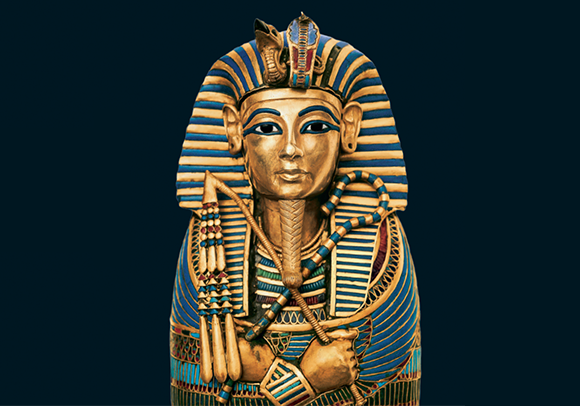


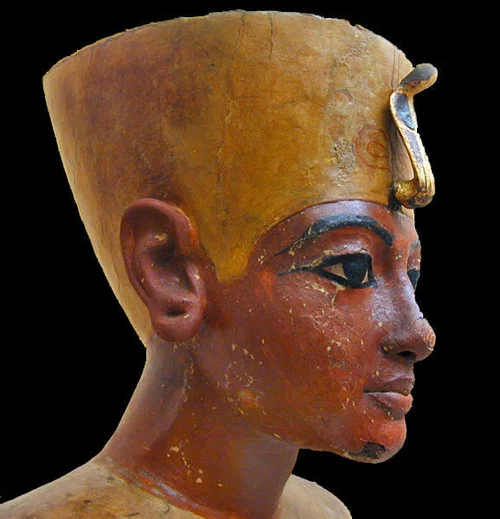




One of the greatest highlights was seeing the treasures of Tutankhamun. Even after hearing about them for so many years, the actual sight of the golden mask left a deep impression on us. The craftsmanship was extraordinary, but what stayed in the mind even more was the calm expression on the young king’s face, preserved across more than three thousand years. Around it were golden shrines, jewelry, ceremonial objects, chariots, furniture, sandals, and personal belongings discovered from his tomb. These objects made ancient Egypt suddenly feel real and human rather than distant history.


Another deeply moving section was the royal mummy gallery. There was a strange silence in those rooms as visitors stood before the preserved remains of rulers whose names had survived through history for millennia. Seeing the mummy of Ramesses II was especially unforgettable. It was difficult to fully absorb the feeling that this had once been a powerful ruler of one of the world’s greatest civilizations. The passage of time suddenly felt very small inside those rooms.





The museum was also filled with colossal statues of kings, queens, gods, and scribes carved from granite and stone. Some statues appeared majestic and eternal, while others carried surprisingly human expressions. The seated scribes in particular felt alive in a very different way from the idealized statues of pharaohs. Their expressions seemed thoughtful and observant, almost as if they were still quietly watching the visitors passing before them.

We also saw the famous Narmer Palette, one of the oldest and most historically important objects in Egypt. Though much smaller than many of the giant statues around it, it carried enormous significance because it represented the unification of Upper and Lower Egypt at the beginning of dynastic Egyptian civilization. It was remarkable to stand before an object connected to such an ancient turning point in human history.

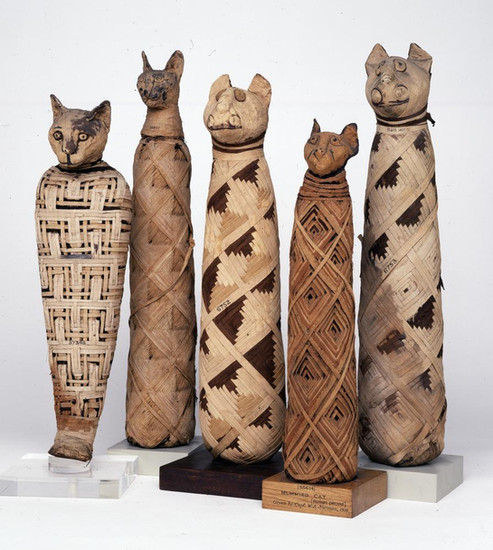

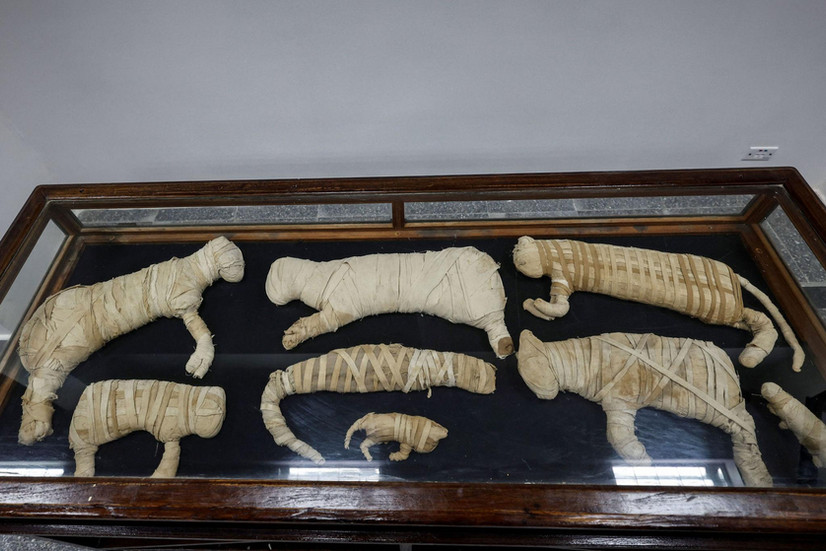


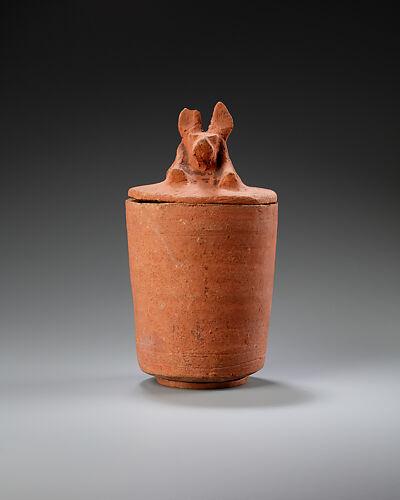
Another fascinating part of the museum was the collection of animal mummies. Cats, birds, crocodiles, and other animals had been carefully preserved because of their religious importance in ancient Egyptian life. This section revealed how deeply religion and symbolism were woven into everyday existence in ancient Egypt.
Beyond the famous treasures, what made the museum truly memorable were the countless ordinary objects displayed everywhere — jewelry, pottery, cosmetic containers, writing tools, musical instruments, household items, and even sandals. These small personal belongings created a connection across time and reminded us that behind the monuments and pyramids were ordinary human lives, families, beliefs, and routines.
By the end of the visit, the sheer scale of Egyptian history felt overwhelming in the most beautiful way. It was impossible to absorb everything in a single day. The museum carried an atmosphere unlike any other place we had visited — crowded, timeless, slightly chaotic, yet filled with wonder. Long after leaving Cairo, the memories of those ancient faces, golden treasures, silent statues, and royal mummies continued to remain vividly in our minds.
Alexandria
After wandering in Cairo we went to Alexandria. There was a lots to see there. One place that first drew our attention immediately was some place jutting into the sea - may be a mosque.
Catacombs of Kom El Shoqafa


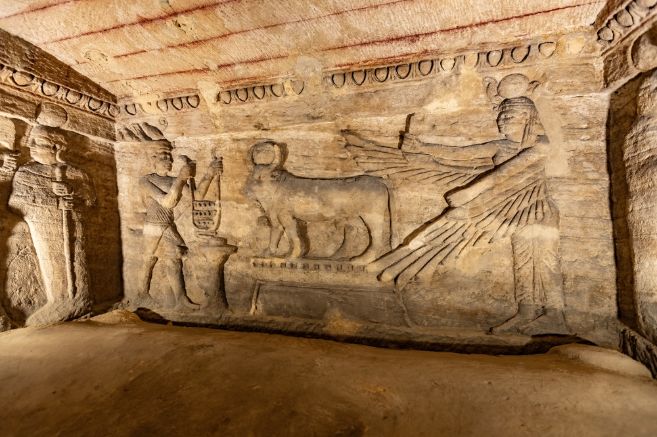
The visit to the Catacombs of Kom El Shoqafa was one of the more unusual experiences of our journey through Egypt. Unlike the magnificent temples and open monuments of Upper Egypt, this place carried a very different feeling—quiet, mysterious, and hidden beneath the earth. As we descended the spiral staircase into the cool underground chambers, the atmosphere changed completely. The rock-cut passages, burial niches lining the walls, and the silence of the catacombs created an impression very different from the grand world above. What made the site especially fascinating was the way different civilizations seemed to meet in one place. Egyptian traditions blended with Greek influences and Roman architectural styles, and even the stone carvings reflected this union, with Egyptian gods appearing alongside Roman clothing and artistic details. The catacombs felt strangely beautiful, not because of grandeur, but because they seemed to capture the spirit of Alexandria itself—a city where cultures, ideas, and histories came together over centuries.
Citadel of Qaitbay.


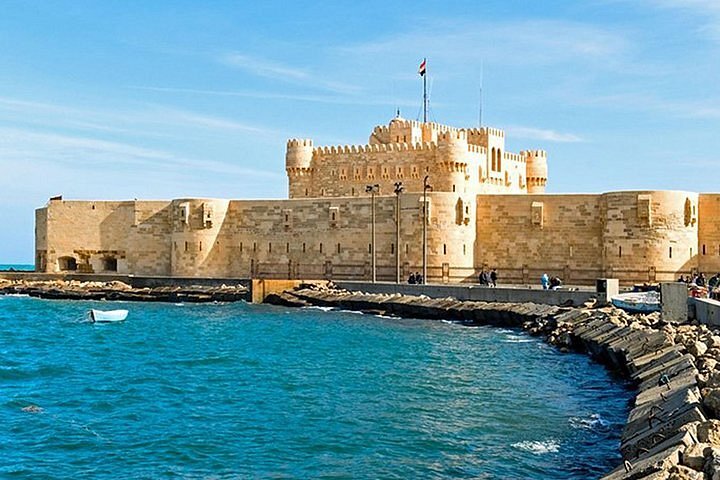
Our visit to the Citadel of Qaitbay remains one of the memorable moments of our time in Alexandria. Standing beside the blue waters of the Mediterranean, almost surrounded by the sea, the fortress created a striking scene—the pale stone walls set against the water, waves breaking nearby, fishing boats moving in the distance, and the constant sea breeze all combined to give the feeling of standing at the edge of history. At first glance, the structure almost appears like a mosque, but in reality it is a fortress built in the 15th century. What makes it especially significant is its location, as it stands on or near the site where the ancient Lighthouse of Alexandria once rose—one of the Seven Wonders of the Ancient World. It was a remarkable thought to realize that ships crossing the Mediterranean were once guided from this very place. The surroundings added to the experience: the long promenade by the sea, cafés facing the water, the humid air so different from Cairo, and the softer light and cooler breeze compared with Upper Egypt. Alexandria itself felt different from the rest of Egypt we had seen—less desert and more sea, less monumental perhaps, yet thoughtful, cosmopolitan, and quietly reflective.
At further western end of Alexandria I think we saw a burial place. Something was very nice about this place.
Pompey's Pillar


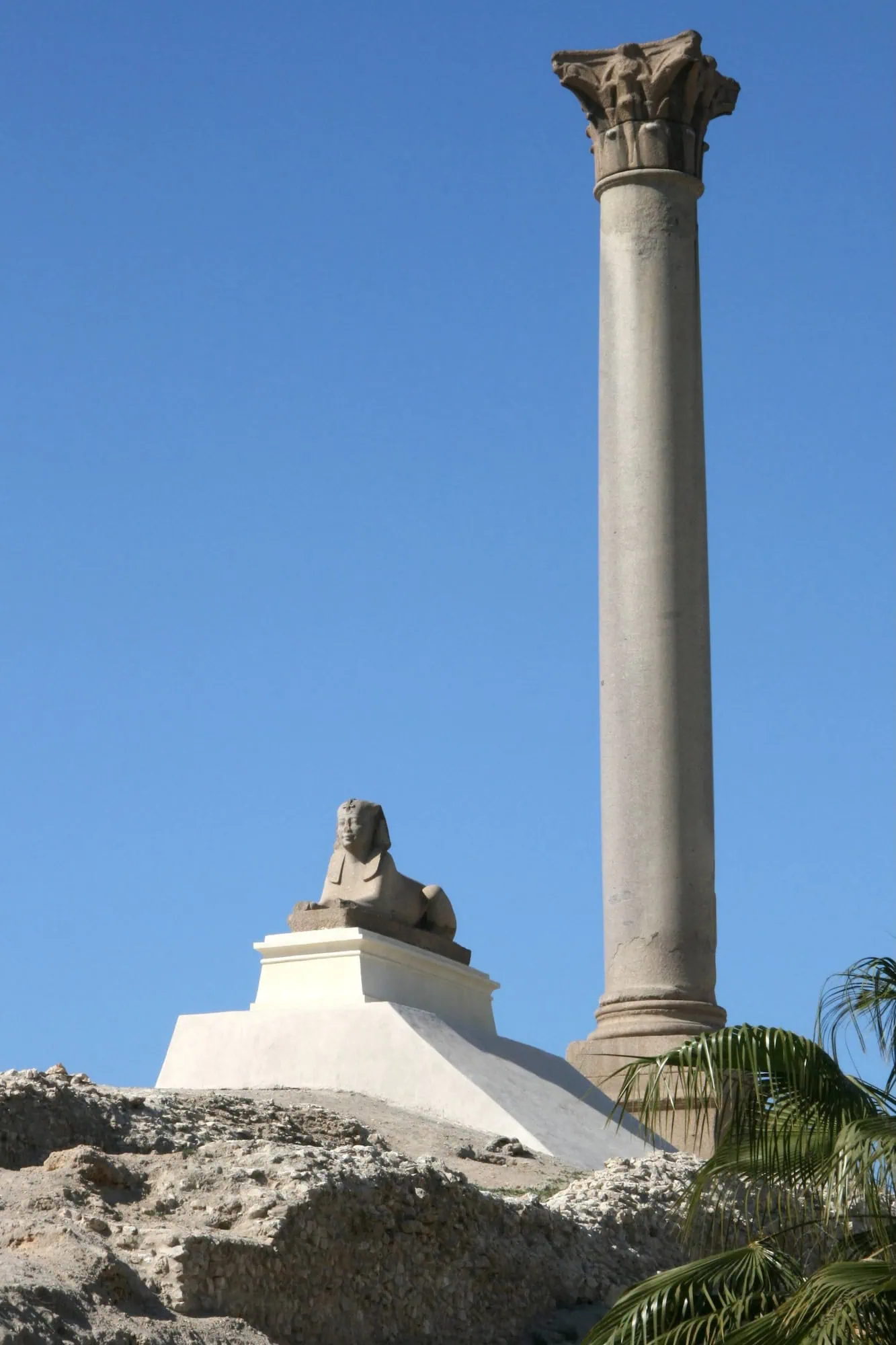
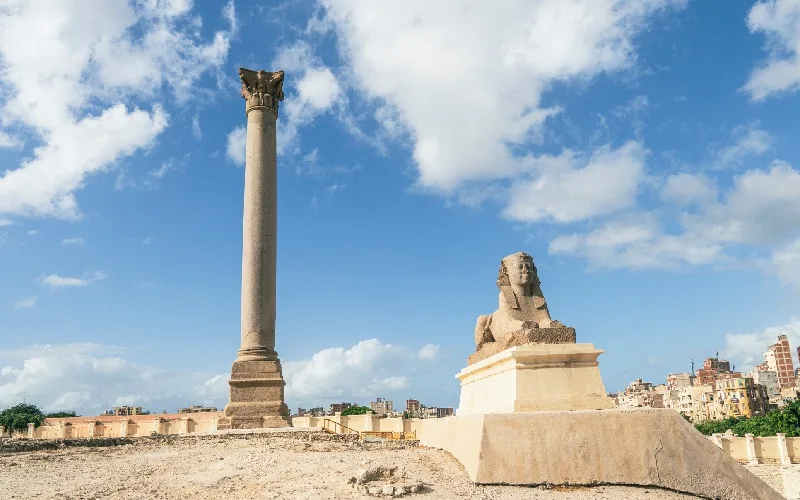
Our visit to the Pompey's Pillar felt very different from many of the other places we saw in Egypt. After days of temples, tombs, and monuments filled with carvings and stories, here stood a single massive column rising quietly against the sky, almost simple in appearance yet carrying the weight of centuries. The great granite pillar seemed to dominate the open space around it, standing alone and dignified, as if it had watched Alexandria change through countless generations. Looking at it, I remember thinking how much history this city had witnessed—Egyptian, Greek, Roman, and later civilizations all passing through the same land. The site itself was not overwhelming in size like Karnak or Luxor, yet it left its own impression because of its stillness. Nearby were the remains of ancient structures and underground areas that hinted at a much larger world once existing around the pillar. Standing there, it was easy to imagine scholars, traders, soldiers, and travelers moving through Alexandria when it was one of the great centres of the ancient world. The warm light, the open surroundings, and the sense of standing in a place touched by many layers of history gave the visit a reflective feeling. Pompey’s Pillar may appear at first to be only a solitary monument, but during our visit it felt more like a silent witness to the long and complex story of Alexandria itself.
The Great Library of Alexandria

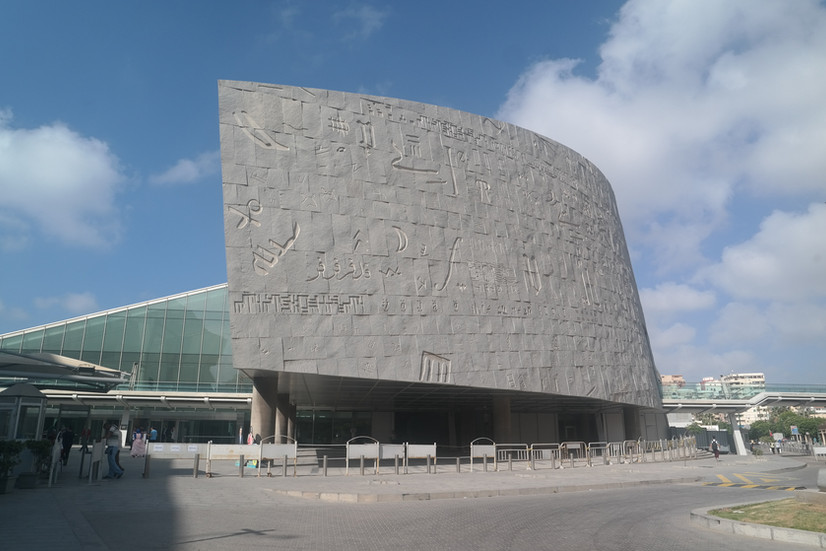


The great Library of Alexandria is one of those places that has almost become half history and half legend.
Our visit to the site connected with the ancient Library of Alexandria carried a very different feeling from the temples, tombs, and monuments we had seen elsewhere in Egypt. This was not a place remembered for giant columns, statues, or carvings, but for something far more fragile and perhaps even more powerful—the pursuit of knowledge itself. As I thought about what once stood here, it was difficult not to imagine the extraordinary ambition of that age. Alexandria, founded by Alexander the Great and later developed under rulers such as Ptolemy I Soter and Ptolemy II Philadelphus, had been created not only as a great city but as a centre where learning from many civilizations could come together. The Library itself was part of the Mouseion, a place devoted to scholarship, where thinkers studied mathematics, astronomy, medicine, philosophy, and copied manuscripts by hand. I found myself imagining scholars walking through its halls, debating ideas, translating texts, and trying to gather all human knowledge in one place. Manuscripts may have arrived from Greece, Egypt, Persia, India, and perhaps lands even farther away. Great minds such as Euclid and Eratosthenes are linked with Alexandria, and it is remarkable to think that more than two thousand years ago calculations about the size of the Earth were already being attempted here. Yet alongside this greatness comes sadness. The story of the Library is also the story of loss—knowledge slowly disappearing through wars, fires, political struggles, religious tensions, and neglect over many centuries. Standing there, I could not help wondering how many works vanished forever: histories never read again, scientific observations lost, philosophies forgotten, and perhaps entire ways of understanding the world that simply disappeared with time. It felt less like visiting a building and more like standing before an idea—a dream that knowledge could unite humanity. Even today, the modern Bibliotheca Alexandrina seems to keep alive the memory of that lost vision and reminds visitors of both the greatness and fragility of civilization.
There is something deeply moving about Alexandria when you know this history.A city beside the sea, trying to gather the knowledge of the world into one place.
Comments