Kabini Wildlife Reserve and River


Our first visit to Kabini was many years ago, when the establishment was small and life was simple. The rooms were built in a rectangular arrangement, and each morning a cup of tea or coffee would be placed outside our room. There was a peaceful atmosphere that made the stay particularly enjoyable.
My memory is during very first stay it was a person who had retired from wildlife place close to Nepal
His name was Colonel John Felix Wakefield, affectionately known as “Papa John” at Kabini.
Papa John’s legacy

Colonel John Felix Wakefield arrived here in 1984, after a stint in the prestigious Tiger Tops Jungle Lodge in Nepal. His passion for wildlife, conservation and not just involving but including the locals has been the key to making the Kabini River Lodge what it is today. It has also left a lasting legacy. Two years after his death, the legend of Papa John (as he was lovingly known) lives on. In the framed photographs, in his favorite armchair resting on the porch of the eponymous Col. Wakefield Bar, in the sounds of the jungle next door and in the conversations of the people of the lodge and its surrounding villages, who remain fiercely loyal to his memory.

He was a wildlife enthusiast and conservationist who had worked at Tiger Tops Jungle Lodge in Nepal, in Chitwan National Park, before coming to Kabini in Karnataka. He played a major role in establishing the Kabini River Lodge in the early 1980s.
The arrangement of rooms was simple, and in rectangle form. In the Center was the dining room, with Papa John’s Office. Perhaps he stayed at the back of this wing. Life was simple - a cup of Tea or Coffee were placed at each room early in the morning.
After breakfast we went into the Jungle , we went on a jeep safari, sharing the vehicle with a lovely English couple. The gentleman took photographs during our outing and, at the end, presented us with an album containing all the photographs. It was a wonderfully thoughtful gesture.

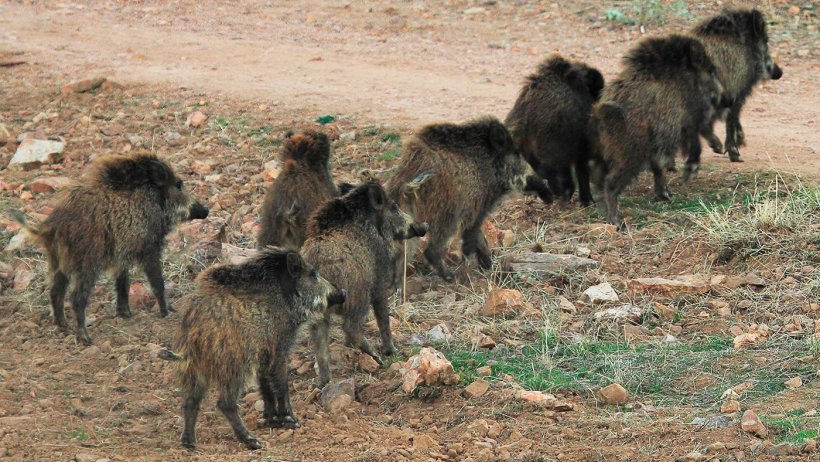
As soon as we entered the Jungle in the very first visit we saw a Tiger crossing the road. We waited a little longer and he again crossed the road. To see a Tiger so up close was an experience. In the evening during setting Sun I saw a big group of wild boars
We visited Kabini again later, this time with Sonali and the grand children. By then, our family outings had to take everyone's comfort into account. My husband would get tired, and our house servant was also with us. Travel was as much about managing these practical considerations as it was about enjoying the destination.
We flew to Banglore by flight. Stayed overnight. The car was booked for our pick up. So next morning we drove to Kabini - but our hotel was on the other side of river. We had nice cottages - bedroom, room with small size dining table, an outdoor veranda to relax in a chair.
On a later visit, we flew to Bangalore and stayed overnight. A car had been booked to pick us up, and the following morning we drove to Kabini. This time, our hotel was on the other side of the river. We stayed in pleasant cottages, which were quite comfortable. Each cottage had a bedroom, a separate room with a small dining table, and an outdoor veranda where one could relax in a chair.
It was a very different experience from our first visit to Kabini, when the establishment had been small and life was simple. Over the years, the place had changed considerably, but we were able to enjoy the comforts of our cottage and the opportunity to spend time together as a family.
The old property where we had stayed was just across from out hotel and it was filled chock a block with multiple buildings. Safari always started from there.
It was Christmas time when we made this visit to Kabini. Sonali and the children were early risers and would leave for breakfast while we took things more slowly.
In the evening, the large open ground was beautifully lit, with dining tables laid out under the open sky. It made for a festive setting.
Our house servant had to eat in a separate kitchen, but Sonali would bring back all the goodies for him. It was a small but thoughtful gesture that I remember even now.
Being winter, wildlife viewing was poor - but we saw a leopard crossing the road. Another during the boat ride a small serpent was lying close to water.
On the banks of Kabini Reservoir we could find 55 acres of forest land, steep valleys and other water bodies. In ancient period Kabini was the hunting pot for Mysore Maharaja, British viceroys and Indian Royalties.
Kabini is surrounded by Nagarhole wildlife sanctuary
Kabini Wildlife
Kabini is well known for its rich wildlife and beautiful forest landscape. The region lies close to Nagarahole National Park, in Karnataka, and offers opportunities to explore the natural world through both jeep safaris and boat safaris.

A jeep safari takes visitors deep into the forest, where the dense vegetation, winding tracks and quiet clearings provide glimpses of life in the jungle. With a little luck, one may spot elephants, deer, gaur and a variety of birds. Tigers and leopards also inhabit these forests, although sightings of these elusive animals are never guaranteed. Every turn along the forest trail brings the possibility of an unexpected encounter.
A boat safari on the Kabini backwaters offers a different experience. these boats are like big baskets made out of bamboo straws called coracales. We had an amazing experience taking this boat ride. Moving along the water, one can observe elephants gathering along the banks, crocodiles resting near the shore and, occasionally, otters playing in the water. We also saw a lot of wild dogs along the river.

The surrounding trees and riverbanks also attract numerous birds, making the journey especially rewarding for birdwatchers and nature lovers. What makes Kabini special is the opportunity to experience wildlife from two different perspectives — the forest on a jeep safari and the waterways on a boat safari. Both reveal aspects of the natural habitat and the animals that depend on it.
Location: Kabini lies to the south of Nagarahole National Park, and the distance between the Kabini area and the park is generally less than 50 kilometres, depending on the points being compared. The two are closely associated as part of the wider wildlife landscape of Karnataka.
The Kabini River
The Kabini River, also spelt Kabani and sometimes known as the Kapila, has its origins in the beautiful, mountainous region of Wayanad in Kerala, in the Western Ghats. This is a landscape of green hills, deep valleys, forests and abundant rainfall, where numerous streams flow down the slopes to form larger rivers.
The river takes shape when two important streams, the Panamaram River and the Mananthavady River, meet in Wayanad. The Panamaram River is fed by streams originating in the surrounding hills, while the Mananthavady River also descends from the mountainous terrain. Their meeting gives rise to the Kabini, which then begins its eastward journey.
Unlike most of Kerala's rivers, which flow westwards towards the Arabian Sea, the Kabini flows eastwards. It crosses from Kerala into Karnataka, gathering water from smaller rivers and streams along its course. Eventually, it joins the mighty Kaveri River at Tirumakudalu Narasipura, near Mysuru in Karnataka. The waters of the Kaveri continue their long journey through southern India before finally reaching the Bay of Bengal.
The Kabini is important not only as a source of water for the surrounding countryside but also for the wildlife that flourishes along its banks. Near the town of Sargur in Karnataka, a dam across the river has created the Kabini Reservoir. Its backwaters have become particularly well known for their wildlife. As the water recedes during the dry season, grassy stretches emerge along the banks, attracting elephants and other animals in search of water and food.
It is this close relationship between the river, its reservoir and the surrounding forests that makes the Kabini region such a remarkable destination for wildlife enthusiasts. The river that begins among the hills of Wayanad eventually becomes an important part of the natural landscape around Nagarahole National Park, where forests and water together sustain a rich variety of animal and bird life.


Comments