Going Solo in Japan - Hakone -1978
- Usha Shah
- Feb 12
- 2 min read

Updated: Feb 24
Hakone is a place not too far from Tokyo. It is a very popular place for people of Tokyo to go for short holidays.
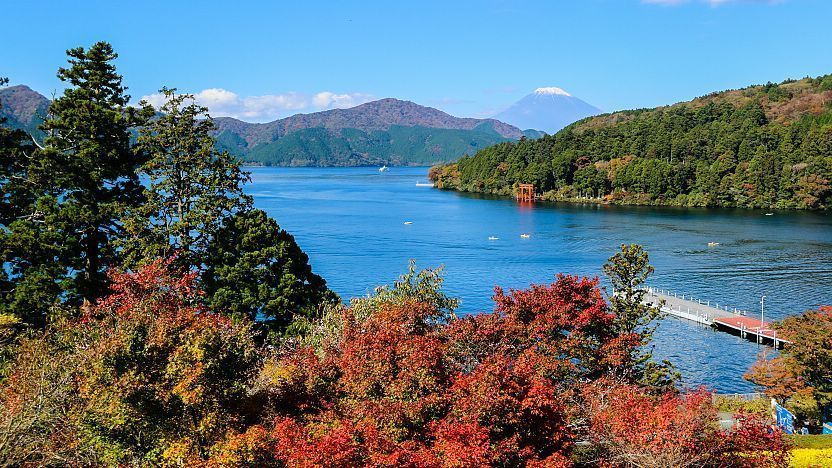
Hakone is part of the Fuji-Hakone-Izu National Park, less than one hundred kilometers from Tokyo. Famous for hot springs, natural beauty and the view across Lake Ashinoko of nearby Mount Fuji. Hakone is one of the most popular destinations among Japanese and international tourists looking for a break from Tokyo.
Our first visit to Hakone was in 1978 when we went for “ World congress of Cardiology.”
We as a group of 5 people travelled in a tourist bus.
From Tokyo by bus we first went to Kamakura to see a tall famous Buddhist Statue kept open to the sky in Kamakura. Directly from there we were taken to Hakone , a tourist spot not too far from Tokyo.
On reaching there, we first went to a big park where multiple statues were scattered open to sky.

We stayed at famous Fujiya hotel which was located at a hight. Next morning we visited Lake Ashinoko or simply called Ashi. Our last journey in Bus was to Odawara station and onwards by Shinkansen we went to Kyoto.
Our second visit was with our friend who took us to Hakone by car .

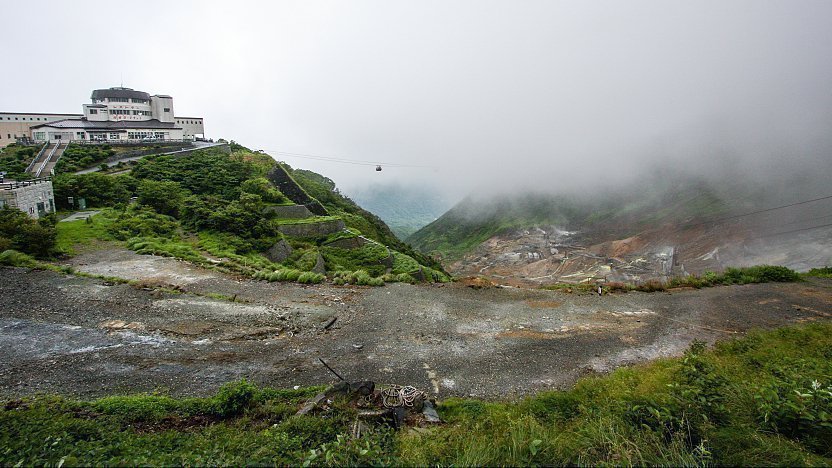

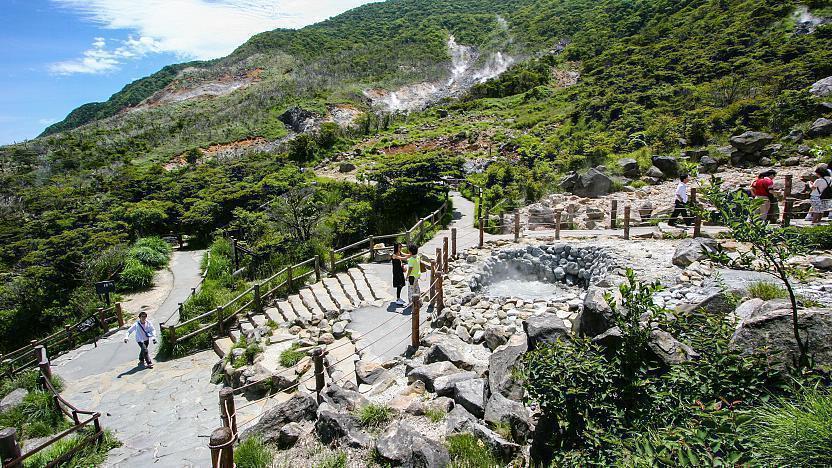

He took us to famous Owakudani Volcanic Valley. Here the volcanic activity was so strong that we didn’t spend a long time and returned to Tokyo. Owakudani is the area around a crater created during the last eruption of Mount Hakone some 3000 years ago. Today, much of the area is an active volcanic zone where sulfurous fumes, hot springs and hot rivers can be experienced. Additionally, Owakudani has good views of Mount Fuji on clear days.
On our last visit to Hakone we stayed in a small hotel just next to Lake Ashi. We walked along Lake Ashi. Next day while we were walking in Gora area we saw a beautiful moss garden.
The wet climate of Hakone is perfect for many types of moss, which can be seen on old trees and in woods throughout the area. Still, the variety on display in the garden of the Hakone Museum of Art is extraordinary. On the slanted, relatively narrow plot was formed by lava flows when nearby Mt. Soun erupted tens of thousands of years ago, with large volcanic rocks still found here and there.
Mr. Okada had rearranged according to his wishes and went about designing the rest of the park to his liking. Inspired by the moss gardens of Kyoto, he sourced plants from all around Japan until the Gora plot looked sufficiently presentable. The Hakone of Museum of Art and its garden were opened in 1952, and retain their distinctive, somewhat otherworldly appearance today.
In Japan it is custom that both Shrines and temples may be surrounded by moss gardens. Hakone has been one of Japan's most popular hot spring resorts for centuries. Today, more than a dozen springs provide hot water to the area's many bath houses and ryokan.
Yumoto at the entrance to the Hakone area is Hakone's largest hot spring town with a particularly long history, high quality water and numerous baths and inns. More hot spring facilities are found across the hills and valleys of Hakone and along the shores of Lake Ashi.


Comments